
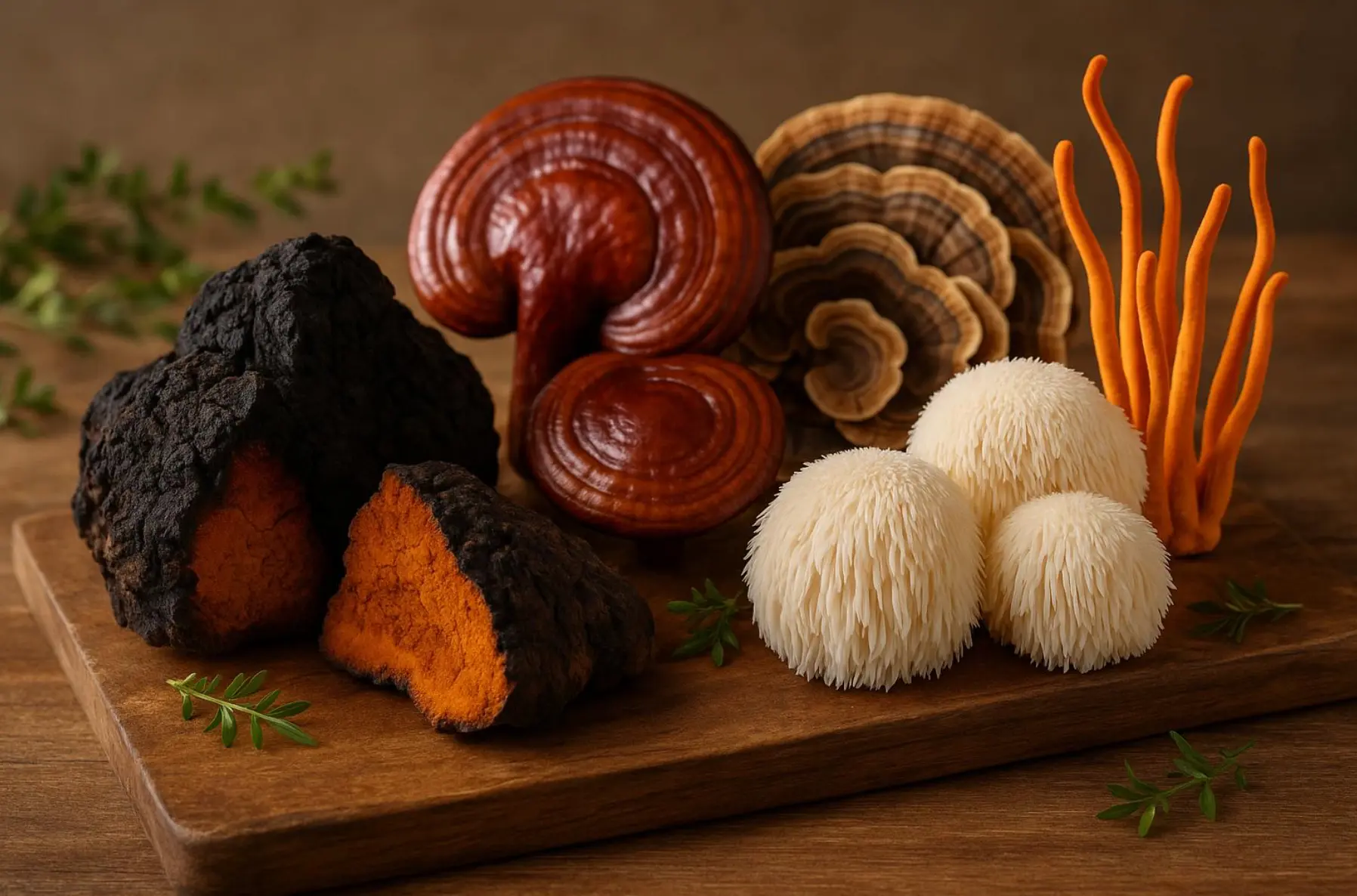
Extract quality
Inside the Extraction: Why Tincture Wellness Uses 10 Pounds of Mushrooms Per Gallon
An inside look at our extraction philosophy, our choice of cane-derived alcohol, and why the quality of a functional mushroom tincture begins long before it reaches the bottle.
In the growing world of functional mushroom supplements, consumers are becoming increasingly interested in what goes into their tinctures.
But there's an important question that often gets overlooked:
How much mushroom material actually goes into the extraction process?
At Tincture Wellness, we believe understanding what goes into a tincture is just as important as understanding the science behind the mushrooms themselves.
That's why our extraction philosophy centers on intentional ingredient selection, a substantial mushroom-to-alcohol input ratio, and transparency about how our products are formulated.
Our stated formulation uses 10 pounds of mushroom material for every gallon of cane-derived alcohol.
It's an approach that reflects how seriously we take the starting ingredients behind our functional mushroom blends.
10 Pounds of Mushrooms. One Gallon of Cane Alcohol.
The foundation of our extraction philosophy begins with the relationship between mushroom material and extraction solvent.
In our described process, we use:
10 pounds of mushrooms per 1 gallon of cane-derived alcohol.
This is the mushroom-to-alcohol input ratio used in our formulation process.
Why does this matter?
Because the amount of botanical material introduced during extraction is one of several factors that can influence the resulting extract.
When mushrooms are exposed to an appropriate solvent, certain naturally occurring compounds may move from the mushroom material into the surrounding liquid.
The amount extracted depends on multiple variables, including the mushroom species, the condition and preparation of the raw material, the solvent's composition, the extraction temperature, and the length of processing.
A substantial starting-material input is part of our formulation philosophy, but it does not automatically establish the concentration of individual bioactive compounds in the finished tincture.
We believe consumers deserve to understand that distinction.
Why We Choose Cane-Derived Alcohol
Alcohol has a long history of use in botanical extraction.
At Tincture Wellness, we choose cane-derived ethanol as part of our ingredient and formulation philosophy.
Cane alcohol is ethanol produced from sugarcane-derived raw materials. Like other appropriately manufactured food-grade ethanol, it can serve as a solvent for extracting certain botanical constituents.
Some tincture manufacturers use grain-derived alcohol, including commercial products such as Everclear. Others use ethanol derived from sugarcane or different agricultural sources.
The important scientific distinction is that ethanol's extraction behavior is determined primarily by factors such as its concentration, the presence of water, and the compounds being extracted—not simply the crop from which the ethanol originated.
Our preference for cane-derived alcohol is an intentional ingredient choice rather than a claim that it is inherently stronger or more effective than grain-derived alcohol.
For us, quality begins with knowing what goes into our formulation and being transparent about those choices.
The Science Behind Functional Mushroom Extraction
Functional mushrooms contain a diverse range of naturally occurring compounds that continue to attract scientific interest.
Among the most studied are polysaccharides, including certain beta-glucans, as well as species-specific compounds such as triterpenoids and other secondary metabolites.
Different compounds have different chemical properties.
Some are more readily extracted in water, while others may be more compatible with ethanol-containing solvents.
For example:
- Beta-glucans: Complex polysaccharides studied for their biological properties. Their extraction depends on molecular structure and processing conditions.
- Triterpenoids: Compounds found in certain mushrooms, including Reishi, that can be recovered using suitable solvent systems.
- Phenolic compounds: A broad group of naturally occurring substances investigated for their antioxidant-related chemical properties.
- Species-specific metabolites: Compounds such as cordycepin in certain Cordyceps species that require appropriate analytical methods to identify and quantify.
This is why mushroom extraction cannot be reduced to a single number.
An effective extraction process requires understanding the mushroom material, the targeted compounds, and the methods used to recover them.
Fruiting Bodies, Not Mycelium Filler
Another important part of the Tincture Wellness philosophy is our focus on mushroom fruiting bodies.
The fruiting body is the recognizable mushroom structure produced by many fungal species.
Mycelium, by contrast, is the network of fungal filaments that grows through a substrate.
Both can contain biologically interesting compounds, but their chemical profiles may differ.
Some commercial mushroom ingredients are produced using mycelium grown on grain-based substrates. Depending on processing, these ingredients may contain residual substrate material, including starch.
At Tincture Wellness, our formulation philosophy emphasizes 100% mushroom fruiting bodies with no mycelium filler.
This choice reflects our preference for identifiable mushroom starting material.
Importantly, fruiting-body ingredients are not automatically superior to every mycelium-derived ingredient. Their quality depends on species identification, composition, manufacturing methods, and appropriate testing.
We believe that consumers should be able to understand exactly which part of the mushroom is being used.
What Does a 10:1 Mushroom Extract Really Mean?
One of the most common numbers appearing on mushroom supplement labels is 10:1.
Traditionally, an extraction ratio such as 10:1 describes a relationship between the amount of starting material and the quantity of extract produced, according to a defined manufacturing calculation.
However, extraction ratios can be expressed differently across manufacturing processes, and a ratio alone does not establish how much of a particular compound is present.
Our stated input of 10 pounds of mushrooms per gallon of cane alcohol is a separate measurement.
It describes how much mushroom material is introduced relative to the solvent volume.
It should not be confused with a verified 10:1 finished-extract ratio or interpreted as proof that the final tincture contains ten times the concentration of another product.
A more complete understanding of tincture quality includes extraction documentation and, where appropriate, laboratory analysis of relevant compounds.
At Tincture Wellness, we believe meaningful transparency is more valuable than an impressive number without context.
Quality Begins Before the Bottle
The quality of a functional mushroom tincture is influenced by decisions made throughout its production.
From selecting the mushroom species to choosing the extraction solvent, every stage plays a role in determining the finished formulation.
Our approach emphasizes:
- Intentional mushroom input: A stated ratio of 10 pounds of mushroom material per gallon of cane alcohol.
- Cane-derived alcohol: A deliberately selected extraction ingredient.
- Fruiting-body focus: Mushroom material selected without mycelium filler.
- Ingredient transparency: Clear communication about our formulation choices.
- Science-led education: An ongoing commitment to understanding the research behind functional mushrooms.
No single ingredient choice or extraction ratio can independently establish a finished product's potency, purity, or clinical effectiveness.
Those characteristics require appropriate specifications, manufacturing controls, and testing.
But the choices behind the formulation still matter—and we believe they deserve to be explained.
Beyond the Ratio: A More Informed Approach to Mushroom Wellness
The functional mushroom industry is evolving.
As interest in Lion's Mane, Reishi, Cordyceps, Chaga, Tremella, and other species continues to grow, consumers have more opportunities than ever to explore mushroom-based wellness products.
They also face an increasingly complicated marketplace filled with extraction ratios, ingredient terminology, and marketing claims.
Our mission at Tincture Wellness is to bring greater clarity to that conversation.
We want our customers to understand not only which mushrooms they're choosing, but also the formulation decisions behind the products they purchase.
For us, the story doesn't begin with the finished bottle.
It begins with the mushrooms, the ingredients, and the process.
And that's a story worth sharing.
Frequently Asked Questions
Why does Tincture Wellness use 10 pounds of mushrooms per gallon of alcohol?
This is the stated mushroom-to-alcohol input ratio used in our described formulation process. It reflects our approach to starting-material quantities, although the finished concentration of individual compounds depends on extraction conditions and processing.
Is cane alcohol better than Everclear for mushroom extraction?
Not inherently. Both can provide ethanol suitable for botanical extraction when appropriately manufactured and used. Solvent concentration, water content, and extraction conditions are more important than the agricultural origin of the ethanol alone.
Does more mushroom material always mean a stronger tincture?
No. Mushroom input is one factor, but extraction efficiency, starting-material composition, final extract volume, and processing methods also influence the finished product.
Is a 10:1 mushroom extract ten times stronger?
Not necessarily. A 10:1 ratio is not, by itself, a measurement of biological potency or a guarantee of ten times the concentration of beneficial compounds.
Why does Tincture Wellness focus on fruiting bodies?
Our fruiting-body focus reflects our ingredient philosophy and preference for clearly identified mushroom material without mycelium filler. Different fungal materials may contain different compounds, and quality should ultimately be evaluated using appropriate product specifications and testing.
Explore the Tincture Wellness Collection
Discover functional mushroom tinctures developed with an emphasis on intentional formulation, fruiting-body ingredients, and transparent mushroom science.
Explore Our Functional Mushroom Tinctures
Scientific References and Further Reading
-
Zhang, J. J., Li, Y., Zhou, T., et al. (2016). Bioactivities and Health Benefits of Mushrooms Mainly from China. Molecules, 21(7), 938. https://doi.org/10.3390/molecules21070938
-
Ruthes, A. C., Smiderle, F. R., & Iacomini, M. (2016). Mushroom heteropolysaccharides: A review on their sources, structure and biological effects. Carbohydrate Polymers, 136, 358–375. https://doi.org/10.1016/j.carbpol.2015.08.061
-
Wasser, S. P. (2002). Medicinal mushrooms as a source of antitumor and immunomodulating polysaccharides. Applied Microbiology and Biotechnology, 60, 258–274. https://doi.org/10.1007/s00253-002-1076-7
These references provide general scientific background on mushroom compounds and polysaccharides. They do not establish the potency or clinical effectiveness of Tincture Wellness products.
Educational Disclaimer: This article is intended for educational purposes only. Research on mushroom compounds does not necessarily establish the effects of a finished dietary supplement. Tincture Wellness products are not intended to diagnose, treat, cure, or prevent any disease.
Scientific references
- Zhang, J. J., Li, Y., Zhou, T., et al. (2016). Bioactivities and Health Benefits of Mushrooms Mainly from China. Molecules, 21(7), 938.
Review of mushroom research; general background, not evidence of finished tincture effectiveness.
- Ruthes, A. C., Smiderle, F. R., & Iacomini, M. (2016). Mushroom heteropolysaccharides: A review on their sources, structure and biological effects. Carbohydrate Polymers, 136, 358–375.
Review of mushroom polysaccharides; no clinical validation of this formulation or extraction ratio.
- Wasser, S. P. (2002). Medicinal mushrooms as a source of antitumor and immunomodulating polysaccharides. Applied Microbiology and Biotechnology, 60, 258–274.
General scientific background; does not establish product potency or disease-treatment benefits.
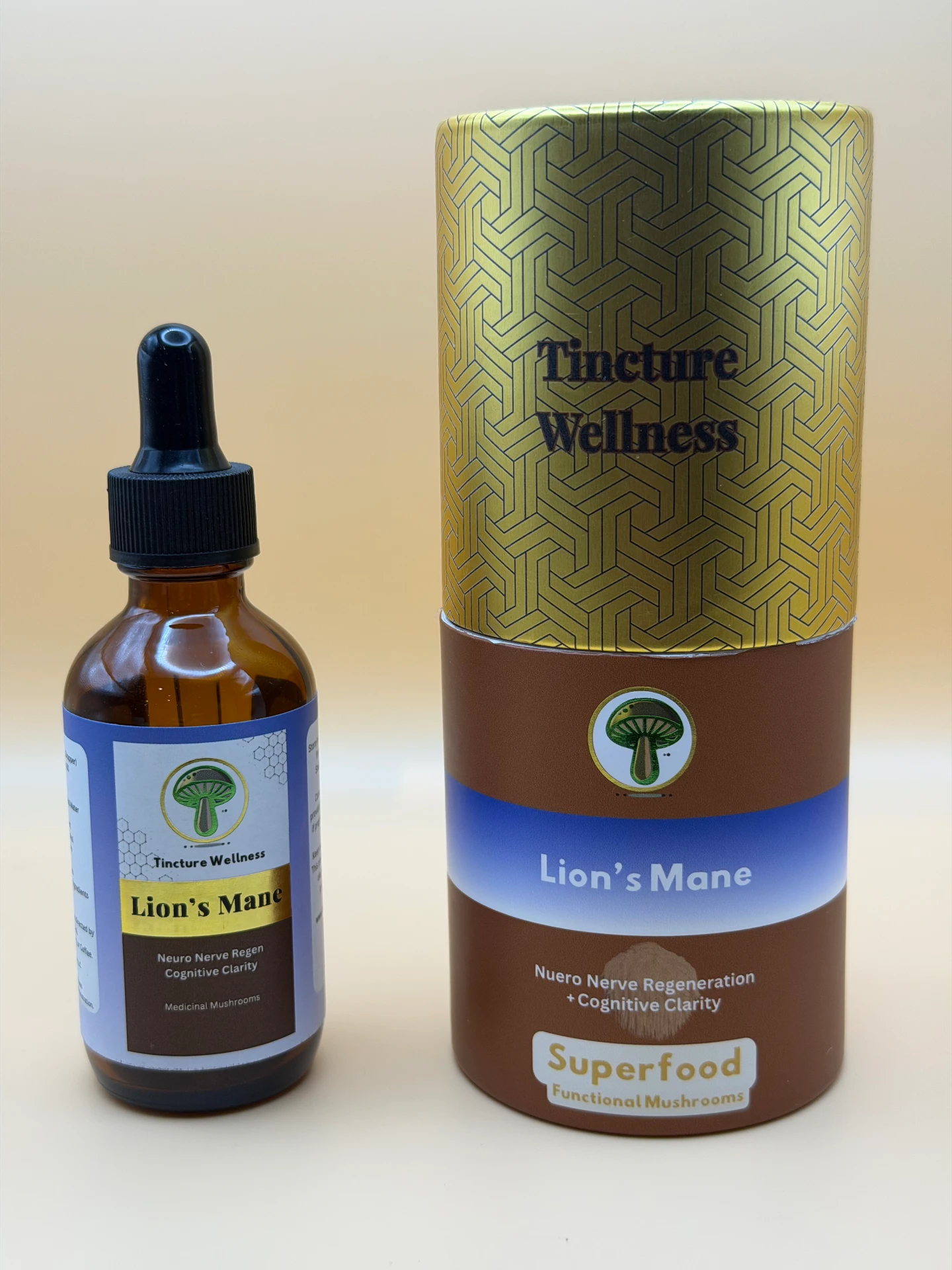
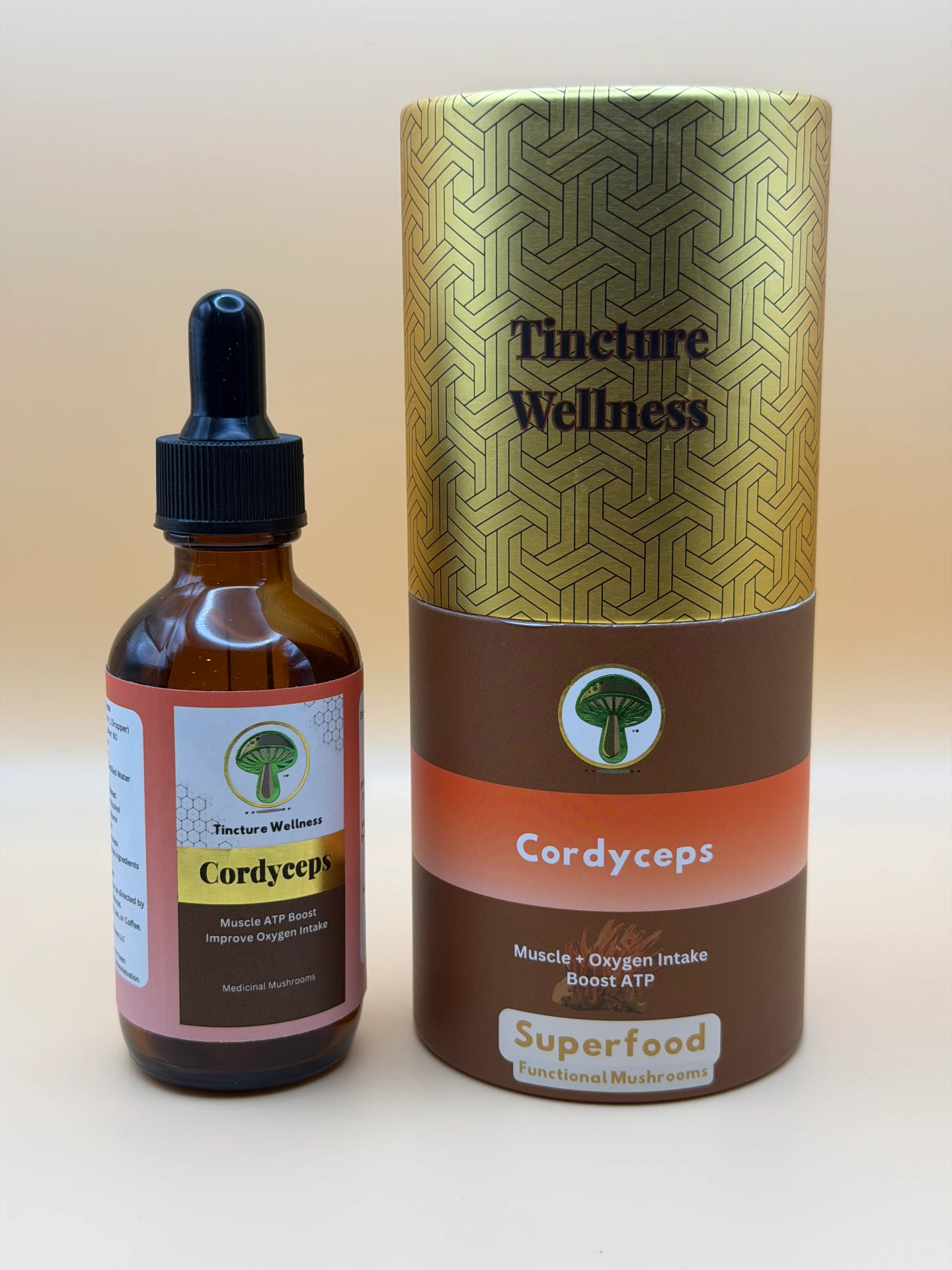
From the apothecary
Explore the ingredients
These products are not the preparations tested in the studies above.
Recommended reading
Letters from the journal
A little more nature.
A little more understanding.
Mushroom research, thoughtfully explored.