

Human research
Reishi Mushroom and Beta-Glucans: Understanding Immune Research
Why immune signaling, biomarker changes, and demonstrated improvements in health are different scientific questions.
Immune research is not a single promise
Reishi is a common name applied to Ganoderma mushrooms. Different species and preparations appear in the literature, and older naming conventions can complicate comparisons. Research interest includes beta-glucans, triterpenes, and other constituents. None of those terms automatically establishes a benefit for every Reishi product.
The immune system is also not a simple dial that should always be turned upward. Its value depends on appropriate responses and regulation. “Immune modulation” describes an effect on immune activity; it does not inherently mean better health, fewer infections, or improved outcomes in a particular person.
Beta-glucans and immune signaling
Fungal beta-glucans have structures that can be investigated for interactions with immune-recognition pathways. Linkages, molecular characteristics, and preparation affect what researchers test. The generic statement that a product contains mushroom polysaccharides is less informative than a relevant assay of a defined fraction.
Laboratory experiments can examine receptor-related signaling and cellular responses. Such work helps explain why an ingredient is being investigated. It cannot alone show whether an oral serving produces a useful clinical outcome. A mechanism is a possible explanation to test, not a substitute for that test.
Triterpenes are another research area
Ganoderma triterpenes are chemically distinct from beta-glucans. Studies may focus on one fraction or a mixture, so an outcome cannot necessarily be attributed to a single constituent. Extraction methods can influence the chemical profile.
This is why a water-and-alcohol product description is not enough to assign concentrations or clinical effects. Knowing which solvents were used is helpful, but it does not replace finished-product characterization. A product may be described as dual extracted without establishing the dose of each researched fraction.
A trial of a defined beta-glucan preparation
Chen and colleagues reported a double-blind placebo-controlled study in healthy adults over 84 days. A Ganoderma-derived beta-glucan preparation changed selected immune-cell measurements, IgA, and natural-killer-cell cytotoxicity. These are human findings with an appropriate comparison design, but their meaning still requires careful interpretation.
The study examined surrogate immune outcomes. It does not by itself demonstrate fewer infections or better general health. Findings from a defined beta-glucan preparation also cannot be assigned to an uncharacterized tincture simply because both have a Ganoderma connection.
The reported safety measurements during the trial should likewise remain bounded by the trial's duration, population, and preparation. Absence of a significant change in selected markers is not a universal guarantee for every user or formulation.
What a systematic review can and cannot add
The Cochrane review by Jin and colleagues assessed Ganoderma preparations in cancer-treatment studies. Its clinical context is quite different from a healthy shopper considering a supplement. Small trials and weaknesses in study quality limited the conclusions. The review did not establish Reishi as first-line treatment or demonstrate a long-term survival benefit.
This reference is included to illustrate evidence limitations, not to suggest a disease-treatment role for a storefront product. Disease-specific adjunctive research cannot become a general “immune protection” claim for healthy consumers.
The outcome matters
A strong immune-health claim should identify the outcome it predicts. Is it an altered cell count, an immune assay, the number of infections, symptom duration, or another endpoint? These are not interchangeable. Researchers must also distinguish a statistically detectable difference from a clinically meaningful one.
Evidence and research limitations
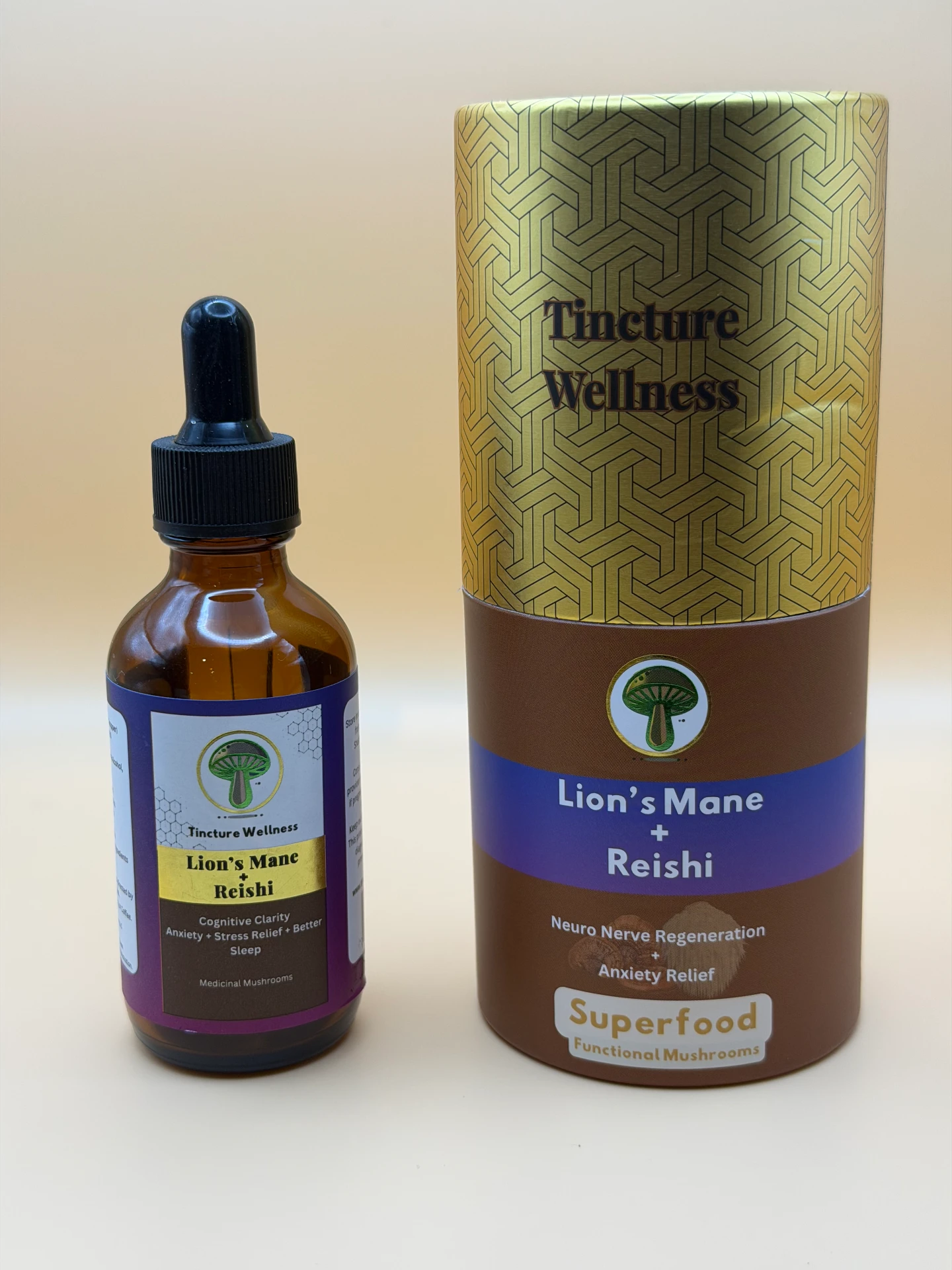
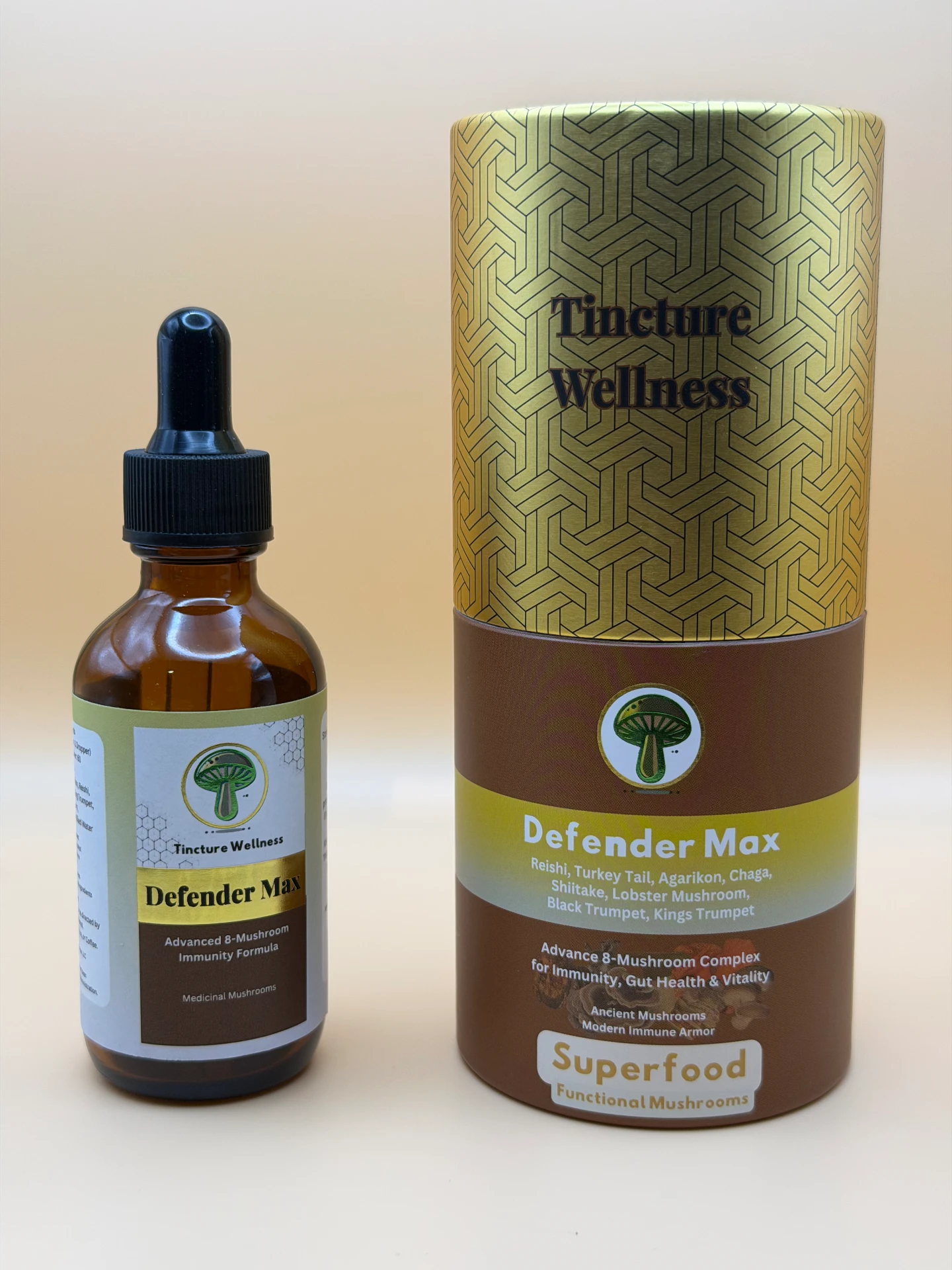
Human immune-marker research exists, but preparation equivalence and clinical relevance remain central questions. No cited trial establishes improved immunity for the Lion's Mane + Reishi or Defender Max tinctures. Their educational connection to the article rests on ingredient identity, not borrowed trial results.
Reading mushroom research responsibly
A useful study does more than name a mushroom. It describes the species, the part used, how the material was cultivated, the extraction process, the dose, and the outcome being measured. Those details determine what the results can reasonably tell us. Two products carrying the same mushroom name may have quite different chemical profiles. A powder, isolated polysaccharide, purified compound, and water-and-alcohol tincture should not be treated as the same intervention.
Laboratory experiments are valuable because they let researchers investigate mechanisms under controlled conditions. But a substance placed directly onto cells bypasses digestion, metabolism, distribution through the body, and the practical limits of a human serving. Animal research adds biological complexity without removing the differences between species. Human trials are more directly relevant, yet their usefulness depends on their design and the preparation actually tested.
When reading a human study, ask whether participants were randomly assigned, whether a placebo comparison was used, how many people completed the trial, and whether the outcome mattered to daily life. A change in a laboratory biomarker is not automatically a meaningful health benefit. Small studies can identify a promising question without answering it conclusively. Short studies also cannot reliably detect uncommon adverse effects or establish safety during years of use.
What this means for a finished tincture
This article is an educational overview, not a clinical assessment of Tincture Wellness products. The linked products have not been shown here to reproduce the doses, chemical profiles, or outcomes of the research preparations. A botanical ingredient on a label establishes what a manufacturer says is present; it does not by itself establish the concentration of an active compound or a demonstrated clinical effect.
Product-specific questions belong with product-specific evidence. Useful documentation includes identity testing, clearly stated extraction methods, relevant marker measurements, and contaminant testing. A certificate for one batch does not automatically describe every subsequent batch. Where a desired constituent has not been measured in the finished product, its amount should remain an open question rather than becoming a marketing assumption.
A thoughtful approach to safety
Before adding a supplement, discuss the exact product and ingredient list with a qualified healthcare professional if you take medication, have a medical condition, are pregnant or nursing, or are preparing for surgery. Mushroom allergy and the alcohol content of a tincture also deserve attention. Do not stop or replace prescribed treatment on the basis of an educational article. More ingredients and higher doses are not automatically better.
Keep the product label available and introduce changes cautiously enough that an adverse reaction can be recognized. Evidence gaps should not be interpreted as either proof of danger or proof of safety. The most scientifically honest answer is sometimes that the relevant question has not yet been tested in people using this preparation.
Frequently asked questions
Does this research prove the linked product works?
No. The references describe the preparations and populations used by the researchers. They are not clinical trials of the linked Tincture Wellness products.
Can an ingredient list tell me the amount studied?
Not on its own. An ingredient list is different from an independently measured constituent concentration per serving. Ask for product-specific information instead of translating a research dose from another extract.
Is this medical advice?
No. This is educational information intended to explain evidence and uncertainty. Individual decisions should be discussed with a qualified healthcare professional.
Why are the references important?
They allow readers to inspect what was actually tested, compare an article with its sources, and identify unanswered questions. Research changes over time, so conclusions should remain open to stronger evidence.
Scientific references
- Chen et al. (2023). Evaluation of Immune Modulation by β-1,3; 1,6 D-Glucan Derived from Ganoderma lucidum in Healthy Adult Volunteers, A Randomized Controlled Trial.
Human placebo-controlled trial; surrogate immune measurements.
- Jin et al. (2016). Ganoderma lucidum (Reishi mushroom) for cancer treatment.
Cochrane review; limited trial quality, disease-specific setting.
From the apothecary
Explore the ingredients
These products are not the preparations tested in the studies above.
Recommended reading
Letters from the journal
A little more nature.
A little more understanding.
Mushroom research, thoughtfully explored.